
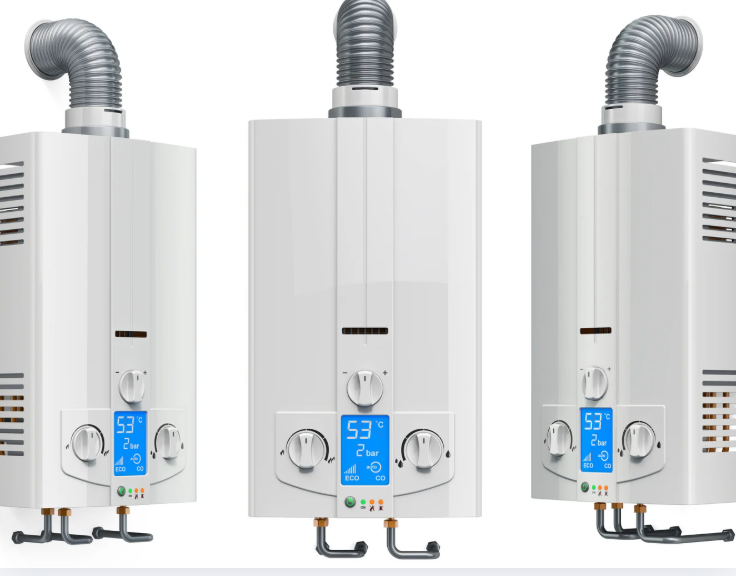
Toronto boilers work the hardest in winter, but they can quietly waste money long before and after true heating season. Even when you are only asking for mild warmth on cool spring or fall nights, an inefficient boiler can cycle too often, burn more fuel than it should, and push utility bills higher than necessary. A simple boiler tune‑up between seasons is often the difference between a system that just “sort of runs” and one that delivers steady comfort for the lowest possible cost.
Where Boilers Guzzle Cash Quietly
Boilers lose efficiency in small ways that are easy to miss day‑to‑day. Soot buildup on heat exchangers acts like insulation, so more fuel is needed to deliver the same heat to your radiators or in‑floor loops. Air trapped in the system forces pumps to work harder and reduces heat transfer, so the boiler fires longer to reach temperature.
Old or mis‑set controls can keep temperatures higher than they need to be, especially in shoulder seasons when a gentler curve would do. Each of these issues on its own might seem minor, but together they turn into real dollars over a year.
Why Between Seasons Is The Sweet Spot
The best time for a boiler tune‑up is when you are not depending on it every hour. In spring and fall, the system still runs, but a short shutdown for service will not leave anyone freezing. Technicians can work more thoroughly when there is no pressure to get heat back on immediately. That means checking combustion and draft, cleaning heat exchangers, inspecting burners and igniters, testing safeties, and making sure expansion tanks, pumps, and valves are all operating as designed. Any worn parts can be replaced on your schedule instead of in an emergency.
Controls, Thermostats, And Smart Savings
Modern controls offer some of the easiest savings for boilers that already have good “bones.” Outdoor reset controls can automatically lower water temperature on milder days so the boiler is not constantly running at full tilt when it does not need to. Programmable or smart thermostats can fine‑tune comfort room by room and avoid overheating spaces no one is using.
During a tune‑up, a technician can review how your current controls are set—or help you upgrade—to make sure the system is not guzzling cash simply because it is running hotter or longer than necessary.
Comfort Clues You Should Not Ignore
There are also comfort clues that your boiler may be wasting energy. Uneven heat between rooms, radiators that never quite get warm, frequent bleeding of air, or strange noises from the boiler or pipes all hint at circulation or system balance problems. Short cycling—where the boiler turns on and off quickly—is another red flag.
Left alone, these issues not only increase fuel use but can shorten the lifespan of pumps and other components. A between‑season tune‑up is the ideal moment to bring up these symptoms and have a qualified tech track down the root cause.
Water Quality And Long‑Term Health
Boilers live or die by water quality. Corrosive or dirty water inside the system can damage heat exchangers, pumps, and valves from the inside out. In hydronic systems, sludge and scale buildup restrict flow and reduce efficiency.
As part of a tune‑up, checking for leaks, assessing system pressure, and evaluating whether water treatment or a flush is needed protects both performance and long‑term reliability. It is easier and cheaper to keep a system clean than to replace major components that failed early.
Let Titanium Mechanical Trim Your Boiler’s “Off‑Season” Bills
If you suspect your boiler is guzzling more cash than it should—especially during those in‑between months when you only need gentle heat—a professional tune‑up is one of the smartest maintenance steps you can take.
Titanium Mechanical can inspect, clean, and optimize your boiler and controls so you burn less fuel, enjoy more even comfort, and head into next winter with confidence instead of crossed fingers.